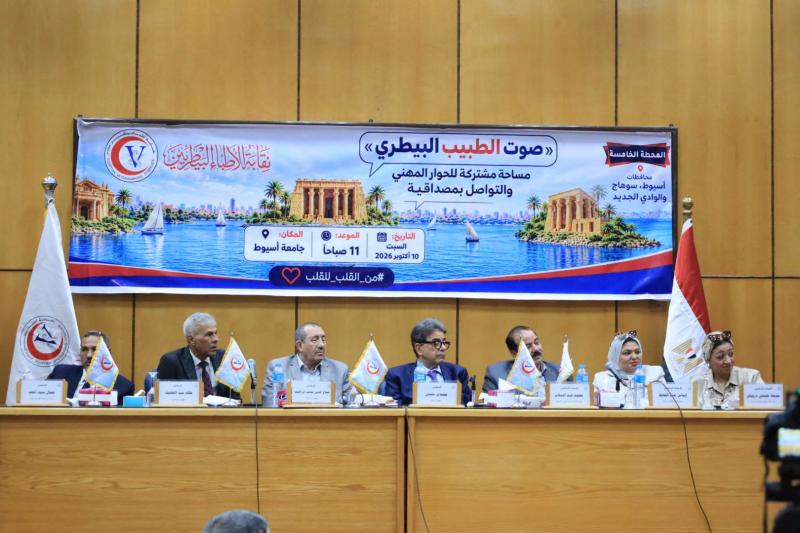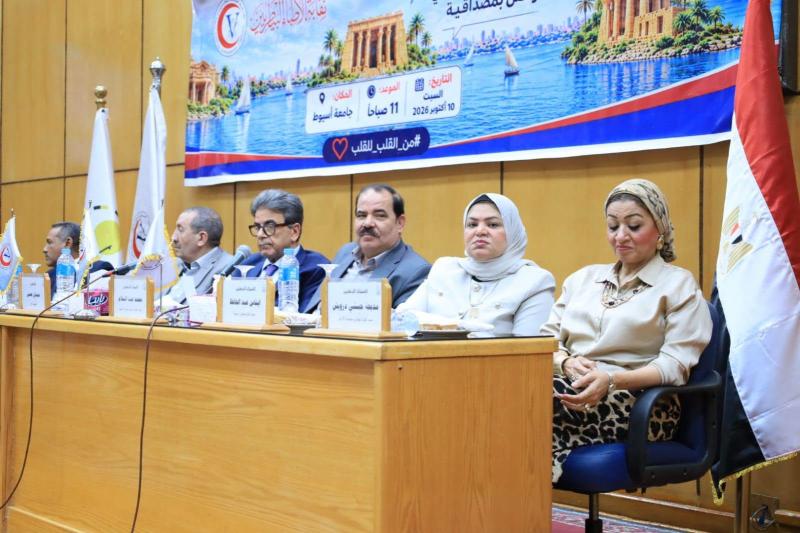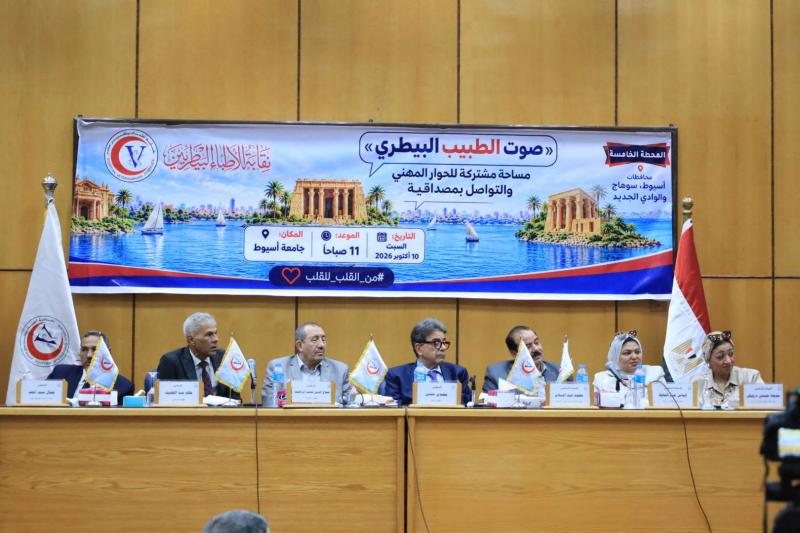





The Faculty of Veterinary Medicine at Assiut University participates in "The Voice of the Veterinarian" and emphasizes the importance of supporting the profession and strengthening communication with the syndicate.

1

The Faculty of Veterinary Medicine at Assiut University Participates in the "Voice of the Veterinarian" and Stresses the Importance of Supporting the Profession and Enhancing Communication with the Syndicate

Within the framework of the keenness of the Faculty of Veterinary Medicine at Assiut University to follow up on the issues of the veterinary profession and participate in discussing the problems and challenges facing veterinarians, the Faculty participated on October 10 in the activities of the "Voice of the Veterinarian", organized by the General Syndicate of Veterinarians at Assiut University, with the participation of doctors from the governorates of Assiut, Sohag and the New Valley.

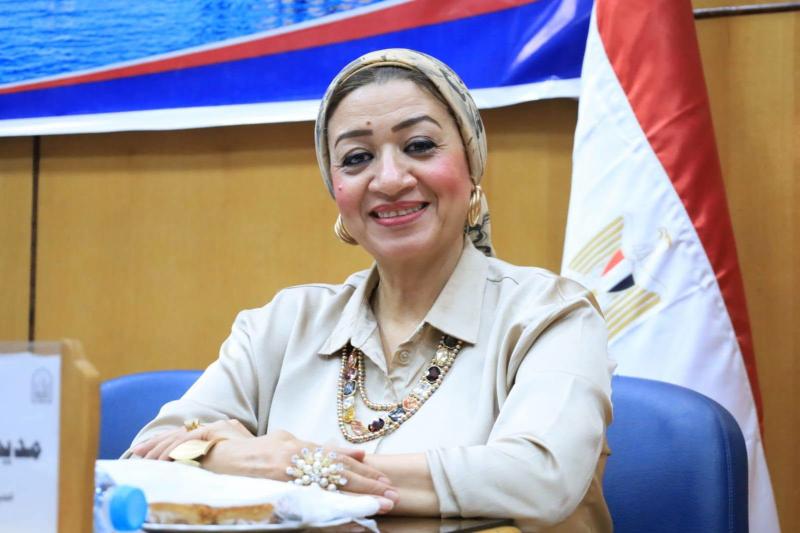
The faculty's participation came in the presence of Prof. Dr. Enas Ahmed Abdel Hafez, Dean of the Faculty of Veterinary Medicine at Assiut University, and Prof. Dr. Madiha Hosni Darwish, Director of the Quality Assurance Unit at the Faculty and Dean of the Faculty of Veterinary Medicine at Al-Azhar University in Assiut, along with a number of faculty members and students of the faculty, stressing the importance of enhancing communication between academic institutions and professional bodies, and involving students in issues related to the future of their profession.

The Dean of the College praises the role of the Syndicate in supporting the veterinary profession

Prof. Dr. Enas Ahmed Abdel Hafez, Dean of the Faculty of Veterinary Medicine at Assiut University, praised the efforts of the General Syndicate of Veterinary Physicians, headed by Dr. Magdy Hassan, in supporting the profession and raising the status of veterinarians, stressing that the demand and interest witnessed by the faculties of veterinary medicine reflects the growing societal appreciation of the profession and its vital role.

During her speech, she explained that the cooperation between the Syndicate and veterinarians and responding to their needs contributes to enhancing the status of the profession and consolidating its role in serving the community, pointing to the remarkable demand to join the Faculty of Veterinary Medicine at Assiut University, which reflects the growing interest of students in the profession and their appreciation for its role.

The Director of the Quality Assurance Unit Stresses the Importance of Continuous Communication between the Syndicate and Veterinary Colleges

For her part, Prof. Dr. Madiha Hosni Darwish stressed the importance of continuing communication and cooperation between the General Syndicate of Veterinarians and the colleges of veterinary medicine, in order to allow faculty members and veterinarians to present the challenges they face and discuss appropriate solutions to them, stressing the importance of the Syndicate's role in conveying the demands of doctors and following up on their professional issues, in a way that supports the development of the profession and the improvement of the level of veterinary services.

A panel discussion to discuss career challenges and enhance student participation

The events witnessed the holding of a dialogue council to discuss the most prominent problems and challenges facing veterinarians, which provided an opportunity to exchange views and raise various professional issues, and open the way for a constructive dialogue on the reality of the profession and the aspirations of its children towards a better future.

The participation of faculty members and students comes within the framework of the Faculty of Veterinary Medicine at Assiut University to enhance cooperation with professional institutions, link academic study with practical reality, and provide students with the opportunity to learn about the issues and challenges of their profession, in a way that contributes to building deeper professional awareness and preparing qualified veterinary cadres capable of shouldering their responsibilities and actively participating in the development of the profession and community service.

Clinical insights into Candidatus Mycoplasma haemominutum-associated anaemia in naturally infected cats: flea-associated risk and paradoxical clinicopathological findings

Research Abstract


Abstract

Background The specific pathophysiological drivers and host–pathogen–environment factors that dictate the pathogenicity of Candidatus Mycoplasma haemominutum (CMhm) remain poorly defined, hindering accurate clinical interpretation and effective disease control. This study provides detailed mechanistic insights into CMhm-associated anaemia in naturally infected cats by integrating analyses of concurrent diseases and comprehensive clinicopathological panels, alongside molecular characterisation in an under-represented region.

Two groups of CMhm-infected cats (anaemic, n = 13; non-anaemic, n = 25) were systematically screened for 14 concurrent infectious, metabolic, or endocrine conditions, alongside extensive haematological, biochemical, and iron profile assessments. Multivariable logistic regression identified independent risk factors, while CMhm molecular diversity was assessed using 16S rRNA gene sequencing.

Results Multivariable analysis identified flea infestation as the sole significant driver of anaemia (OR 7.77; P = 0.04), underscoring a key vector-trigger role and contributing evidence to the ongoing debate on CMhm’s flea-borne transmission. Although specific conditions such as feline immunodeficiency virus, feline leukaemia virus, Mycoplasma haemofelis, Candidatus Mycoplasma turicensis, and hyperglycaemia were not statistically significant, they may still be biologically relevant. Notably, most cats in the non-anaemic group also had comorbidities, suggesting that disease stage or severity may be more critical than mere presence. Supporting this, the anaemic group showed significantly lower lymphocyte counts and a downward trend in other leucocytes. Anaemia appeared deceptively normocytic-normochromic and non-regenerative despite ongoing CMhm-induced haemolysis, indicating additional counteracting mechanisms. Detailed clinicopathological and concurrent disease investigations pointed to true iron deficiency (flea-related) and functional iron deficiency (inflammatory comorbidities) as contributors. The coexistence of these three opposing pathophysiological processes shaped the paradoxical haematological and iron profile. Molecular analysis identified three CMhm nucleotide sequence types (nSTs) new to the region.

Conclusions The results of this study suggest that CMhm-associated anaemia is likely a secondary condition, in which environmental triggers and host immune status shape disease manifestation. This study elucidates the complex pathophysiological mechanisms underlying anaemia, providing insights to enhance clinical diagnosis and inform control strategies.

Keywords Candidatus Mycoplasma haemominutum, Feline haemoplasma, Genetic characterisation, Pathophysiology, Pathogenesis, Phylogenetic analysis, Vector-borne transmission, Flea, Retroviruses, Egypt

Research Date
Research Department
Research Journal
Irish Veterinary Journal
Research Member
Research Year
2026

Molecular investigation on Listeria monocytogenes and Salmonella enteritidis in table eggs and diarrheic patients

Research Abstract


Listeria monocytogenes (L. monocytogenes) is a widely distributed zoonotic foodborne pathogen capable of surviving under harsh environmental conditions, including low pH and high salt concentrations. Eggs and egg products represent one of the most common sources of human salmonellosis, primarily caused by Salmonella enterica serovar Enteritidis (S. enteritidis). Accordingly, the present study was conducted to perform a molecular investigation of L. monocytogenes and S. enteritidis in table eggs and stool samples obtained from diarrheic patients. A total of 58 pooled samples of fresh hen’s eggs, along with 34 stool samples, were collected and subjected to DNA extraction followed by polymerase chain reaction (PCR) analysis. The results revealed the presence of L. monocytogenes and S. enteritidis DNA in 55.2% and 50% of the examined egg samples, respectively. A higher prevalence of L. monocytogenes was detected on eggshells compared to egg contents. Variations in infection rates were observed based on gender and age; L. monocytogenes infections were more frequently identified in males and younger individuals, whereas S. enteritidis infections were more common among females and older children. Gastrointestinal symptoms were associated with both infections, with abdominal pain being particularly prevalent in patients infected with S. enteritidis. In conclusion, the findings of this study highlight the potential zoonotic risk posed to consumers and underscore the urgent need for implementing effective control programs in laying hen farms.

Keywords Eggs, L. monocytogenes, S. enteritidis, PCR, Stool

Research Date
Research Department
Research File
Research Journal
Scientific Reports
Research Year
2026

Impact of Dietary Supplementation of Probiotics on Cecal Microbial Ecology, Immune Response, and Meat Quality of Muscovy Ducks

Research Abstract

Abstract

Probiotics represent a beneficial approach to boost the welfare, health, and meat quality

of poultry. One hundred and twenty one-day-old male Muscovy ducklings were divided

among 24 floor pens (five ducklings per pen). The pens were randomly distributed among

one of four dietary treatments with six replicates (G-C) without any supplementation of

probiotics; (G-A) was supplemented with 0.4 g/kg of Amnil.; (G-M) was supplemented

with 0.5 g/kg of M-Mobilize.; and (G-A-M) was supplemented with 0.4 g/kg of Amnil.

(1–30 day) and 0.5 g/kg of M-Mobilize. (31–60 day), respectively. The results indicated that

BW at day 60 was improved in (G-A) birds compared with (G-C) ones, IL-6 was decreased

in (G-A) and (G-A-M) in liver and spleen in comparison with (G-C) (p < 0.05), but no

differences were observed between (G-C) and (G-M) (p > 0.05); IL-10 was decreased in all

the probiotic-fed ducklings compared with (G-C) birds in the spleen (p < 0.05), and IL-10

was decreased in the (G-A) birds compared with the other treatments in the liver (p < 0.05).

Probiotic-fed birds showed a higher enumeration of Lactobacillus spp. compared to (G-C)

group (p < 0.05). In addition, the (G-M) group showed improved breast meat flavor, general

acceptability, and water-holding capacity (WHC%) compared to (G-C) group (p < 0.05).

These results suggest that the probiotic supplement (G-A), could be a good management

tool for improving Muscovy ducks’ health and production and further research is needed

to improve meat quality traits.

Keywords: Muscovy ducklings; probiotic; welfare; immunity; meat quality

Research Authors
Ahmed Mohammed 1,*, Eman Negm 2, Nadim Amarin 3 , Sherief Sayed 4, Ahmed Soliman 5, Hussam Askar 6 , Shaymaa Yusuf 7 and Asmaa Adel Rayan 7
Research Date
Research Department
Research File
Research Journal
Microorganisms
Research Year
2026
Subscribe to