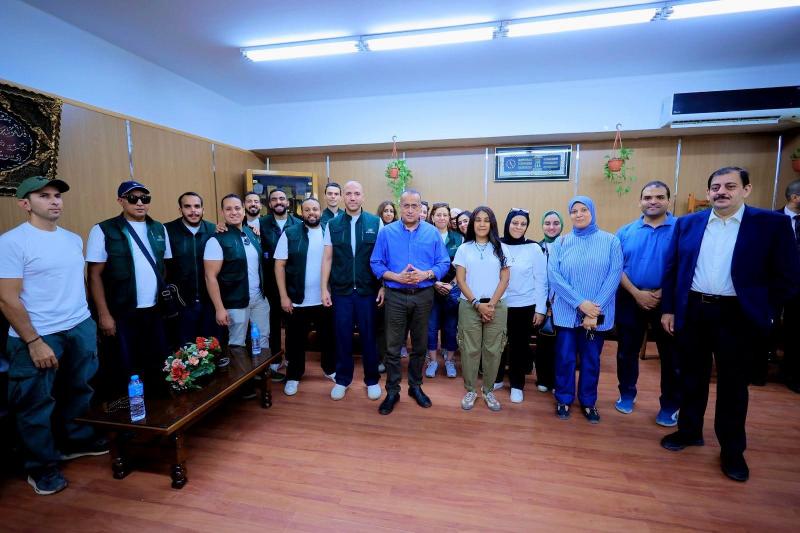
نجح فريق طبي بمستشفى القلب بجامعة أسيوط في إجراء عدد من التدخلات الدقيقة والمعقدة لـ6 أطفال، جميعهم من ذوي الأوزان الأقل من 3 كيلوجرامات، وكان معظمهم في عمر أقل من شهر، وذلك خلال فعاليات ورشة عمل متخصصة في قساطر القلب التداخلية العلاجية للأطفال، في إنجاز طبي يُجرى لأول مرة بمستشفيات جامعة أسيوط.
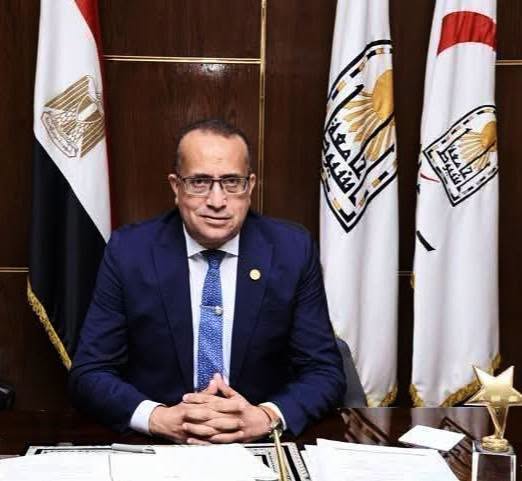
جاء ذلك تحت رعاية الأستاذ الدكتور علاء عطية، عميد كلية الطب ورئيس مجلس إدارة المستشفيات الجامعية، والأستاذ الدكتور محمد عياد، مدير مستشفى القلب، وتحت إشراف الأستاذ الدكتور ياسر فاروق، مدير مستشفى الأطفال، والأستاذة الدكتورة عزه الطيب، رئيس قسم طب الأطفال، والأستاذ الدكتور إسماعيل لطفي، رئيس وحدة العناية المركزة بمستشفى الأطفال، والدكتور أحمد محمود، رئيس وحدة المبتسرين.
شملت الورشة إجراء مجموعة من التدخلات العلاجية المتقدمة، من بينها توسيع الثقب بين الأذينين لإحدى الحالات المصابة باختلاف في الشرايين الرئيسية للقلب، إلى جانب توسيع الصمام الرئوي شديد الضيق، وتوسيع الصمام الأورطي شديد الضيق، بما أسهم في تحسين الحالة الصحية للأطفال وإنقاذ حياتهم.
كما استقبل الفريق الطبي حالة تم تحويلها بالطائرة من محافظة الأقصر إلى مستشفى القلب الجامعي بأسيوط، لإجراء التدخل العلاجي اللازم، في إطار التعامل مع الحالات الحرجة التي تحتاج إلى إمكانات وخبرات متخصصة.
وتضمنت التدخلات كذلك تركيب دعامات بالقناة الشريانية لعدد من الأطفال الذين يعانون من عيوب خلقية مركبة بالقلب، بهدف الحفاظ على استقرار حالتهم الصحية وحياتهم، لحين إجراء الجراحات الإصلاحية المناسبة وفقًا لحالة كل طفل.
ترأست ورشة العمل الدكتورة شيرين عبد السلام من مستشفى الناس بالقاهرة، بمشاركة فريق متميز من أطباء التخدير، جاء تحت إشراف الأستاذة الدكتورة هالة سعد عبدالغفار، رئيس قسم التخدير، وبرئاسة الأستاذ الدكتور عصام عبد الله، وضم كل من الدكتور رامي مصطفى، والدكتورة سارة أسامة، والدكتورة سارة عبد الله.
وشارك في إجراء التدخلات فريق قسم قلب الأطفال، الأستاذة الدكتورة دعاء محمد رأفت، والأستاذ الدكتور حكمة سعد فرغلي، والدكتور خالد علام، والدكتور محمد بهاء، والدكتورة رحاب راشد، والدكتورة نوران مجلي، والدكتورة أميرة رمضان.
وعاون الفريق الطبي فريق من هيئة التمريض بوحدة قسطرة القلب بمستشفى القلب الجامعي، ضم كل من، الأستاذة رجاء محمد محمد علي، والأستاذة هويدا محمد شربيني، والأستاذة صفاء سيد محمد، والأستاذ محمد عبد الوهاب، فني أشعة، والأستاذ محمد ناصر، فني أشعة
وتوجه الفريق الطبي بكلمات التقدير للأستاذ الدكتور صلاح الدين عمري أحمد، مؤسس قسم قلب الأطفال بمستشفى الأطفال الجامعي بأسيوط، تقديرًا لدوره الرائد في تأسيس وتطوير منظومة رعاية أطفال القلب بالمستشفى.
تأتي هذه الورشة في إطار جهود مستشفيات جامعة أسيوط لتطوير خدمات القلب التداخلية للأطفال، وإتاحة أحدث الأساليب العلاجية للحالات الحرجة والمعقدة، ولا سيما حديثي الولادة والأطفال منخفضي الوزن، بما يعزز من فرص تقديم الرعاية الطبية المتقدمة.

 Do you have any questions?